
If 2024 was the year of AI experimentation and 2025 was the year of refinement, 2026 is the year of integration. Having seen the web evolve through the table-layout era of the early 2000s and the mobile-first shift of the 2010s, I can say with certainty: we are currently in the most significant architectural shift since the birth of the smartphone. For businesses, “having a website” is no longer enough. The mandate for 2026 is to provide a predictive, accessible, and high-performance digital ecosystem.
Here are the top web trends I’m implementing for clients in 2026.
1. The Death of the Generic Layout: Generative UI
For years, we’ve used “Responsive Design” to make one layout fit multiple screens. In 2026, we are moving toward Generative UI.
- What it is: Using AI and real-time data analytics to modify the interface based on the specific user’s behavior, intent, and accessibility needs.
- The Strategy: Instead of every visitor seeing the same “Home” page, the UI dynamically reconfigures itself. If a user is data-driven, the site might highlight technical specs and charts; if they are a visual shopper, the site prioritizes immersive imagery.
- My Approach: I leverage my background in Data Analytics to ensure these transitions aren’t just “cool effects” but are grounded in user-intent data to drive higher conversion rates.
2. Voice-Native Navigation (VUI)
We’ve moved past simple “Siri” commands. In 2026, “Conversational Web” is a standard expectation.
- The Trend: Users are increasingly navigating sites through natural language voice commands—especially on mobile.
- The Technical Challenge: This requires more than just a search bar. It requires Schema.org mastery and sophisticated API integrations to allow a website to “talk” to LLMs (Large Language Models).
- The 2026 Standard: Websites must be “screenless-ready.” If a user asks their device to “find the pricing for the Platinum plan on Fischer Web Designs,” your site’s architecture must be clean enough to provide that data instantly.
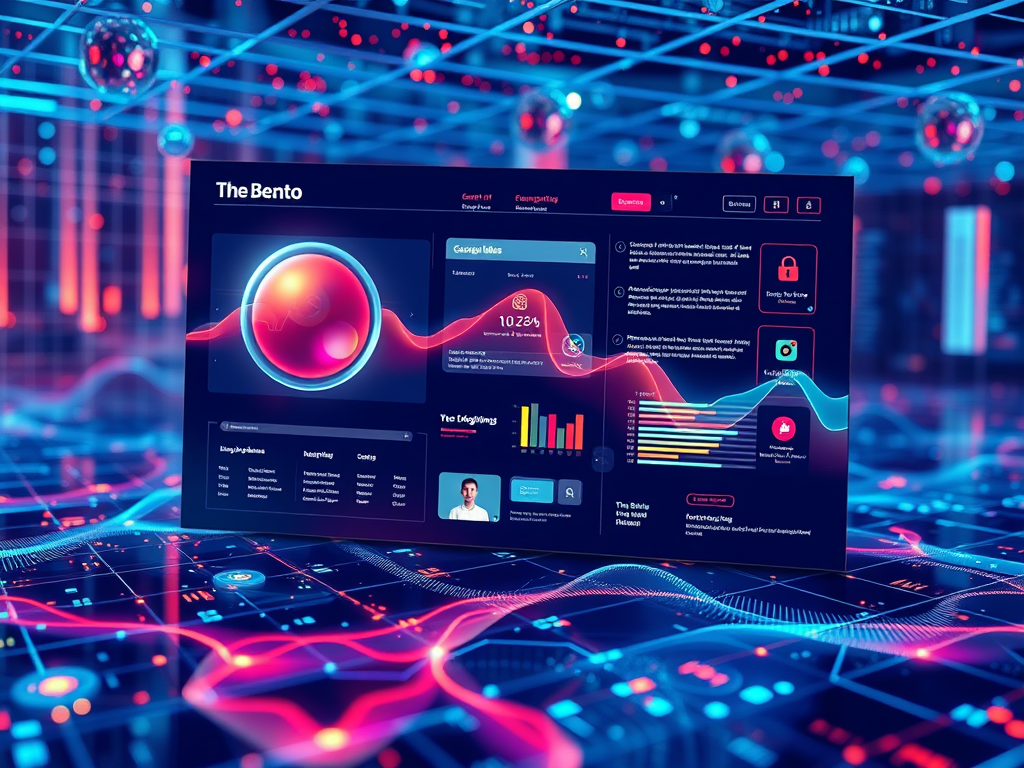
3. High-Performance “Bento” Grids and Glassmorphism 2.0
Visually, the “Bento Box” layout—using rounded, modular cells to organize information—has matured.
- The Look: We are seeing a return to depth. “Glassmorphism” has returned but with a focus on performance. We use high-end CSS blur effects that don’t compromise page load speeds.
- The UX Focus: This style isn’t just aesthetic; it’s about Component-Based Design. Using React and Tailwind CSS, I build sites as a collection of these modular “bento” pieces, making the site incredibly easy to update and scale as your brand grows.
4. Privacy-First Personalization
With the final death of third-party cookies, 2026 is about Zero-Party Data.
- The Shift: Users are tired of being tracked, but they still want personalized experiences. The trend is to create “value-exchange” interactions—interactive quizzes, calculators, and tools that provide immediate value to the user in exchange for their preferences.
- The Implementation: My experience with Marketing Automation and secure Data Management allows me to build these systems directly into the site’s front-end, ensuring user privacy while still delivering the high-level personalization that drives sales.
5. Micro-Animations for Emotional Connection
As the web becomes more automated, the need for “human” touches grows.
- The Trend: We are seeing a rise in Scroll-Triggered Micro-Animations. These are subtle movements—a logo that breathes, a button that reacts with physics-based motion—that provide tactile feedback.
- Why it matters: In a sea of generic templates, these micro-interactions create an emotional bond with the user. It signals that the site is premium, polished, and attentive to detail.
The 2026 Verdict: Performance is the Ultimate Feature
Regardless of which visual trend you follow, the underlying metric for 2026 remains Speed. As interfaces become more complex with AI and VUI, the technical debt can grow quickly.
My goal at Fischer Web Designs has always been to balance the “cutting edge” with “rock-solid reliability.” If your current site feels like it belongs in 2022, it’s time to modernize. Let’s build a 2026-ready experience that doesn’t just look good but works smarter for your business.
Leave a Reply